
Uncategorized
The Unique World of the Peyote Cactus: What to Know Before You Buy
Dec
The Unique World of the Peyote Cactus Sale: What to Know Before You Buy
The peyote cactus (Lophophora williamsii) has fascinated plant enthusiasts, ethnobotanists, and collectors for generations. Known for its slow-growing, button-like appearance and deep cultural significance, it remains one of the most intriguing cacti in the world. As interest in rare and specialty plants continues to rise, so does curiosity about peyote cactus for sale, peyote cactus sale events, and even peyote cactus seeds. If you’re exploring this remarkable species from a horticultural perspective, it’s essential to understand its background, growth habits, and most importantly the legal and ethical considerations surrounding it.
A Brief History of an Iconic Cactus
The peyote cactus has been used for thousands of years in spiritual and ceremonial contexts by several Indigenous cultures in North America. Its cultural significance makes it more than just a collector’s item. For gardeners and succulent enthusiasts, its appeal often lies in its beauty, rarity, and unique growth patterns rather than its ceremonial uses. Because of this cultural and ecological importance, responsible sourcing is crucial when considering any peyote cactus purchase.
Legal and Ethical Considerations
Before searching for peyote cactus for sale, it’s important to know that peyote is regulated or protected in many countries, including the United States. In some places, possessing or cultivating peyote without proper authorization is illegal. In others, it may be legal to cultivate peyote for ornamental purposes, especially when acquired from sustainable, cultivated sources not wild populations.
Always check your local regulations before purchasing peyote plants or peyote cactus seeds. Additionally, support sellers who propagate plants ethically and avoid contributing to the decline of wild peyote populations, which have been threatened by habitat loss and overharvesting.
Why Collectors Love Peyote
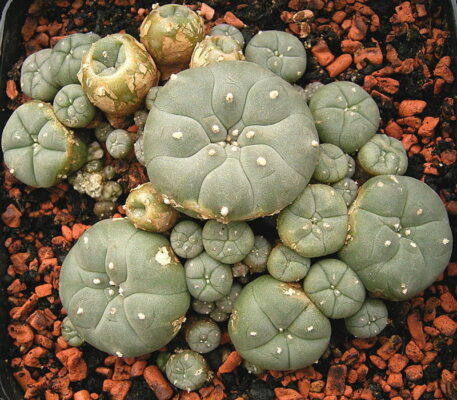
Plant collectors often seek peyote for its distinctive appearance: a small, spineless, blue-green button with subtle ribs and soft tufts of trichomes.

As a slow-growing cactus, it can take years to reach maturity, which makes larger, well-established specimens especially prized. Whether grown on its own roots or grafted onto other cactus species for faster development, peyote adds a rare and beautiful element to any collection.
Where to Find Peyote Cactus for Sale
If it is legal or not in your area, we have peyote cactus for sale in our cactus nurseries and peyote plant shop. We are a Reputable seller and focus on greenhouse grown specimens, ensuring sustainability and conservation. Beware of vendors who offer suspiciously cheap plants or wild harvested buttons, as irresponsible harvesting harms natural ecosystems.
Online shops sometimes host seasonal peyote cactus sale events, where cultivated seedlings or mature specimens are offered at discounted prices. These sales can be an excellent opportunity for enthusiasts again, assuming all transactions comply with local laws.
Considering Peyote Cactus Seeds
For growers who enjoy the challenge of starting plants from scratch, peyote cactus seeds offer a legal and sustainable alternative in some regions. Growing peyote from seed is a long but rewarding process. It can take several years before seedlings resemble the familiar button shape, and patience is essential. Starting from seed also allows you to cultivate peyote responsibly, without impacting wild populations.
Tips for Growing Peyote Successfully
Once legally and ethically obtained, peyote thrives in well-draining soil, bright light, and minimal water. Overwatering is the most common mistake peyote prefers dry conditions and benefits from cactus-appropriate soil mixes. Because it is slow-growing, consistency is more important than rapid growth.
Final Thoughts
The peyote cactus remains one of the most captivating species in the plant world. Whether you’re exploring peyote cactus for sale, browsing a peyote cactus sale, or researching peyote cactus seeds, remember that legality, sustainability, and cultural respect must guide every step. When sourced responsibly and grown with care, peyote can become a cherished addition to a succulent collection and a symbol of patience, reverence, and botanical curiosity.
